
Budget season hits, and your inbox floods with cloud contact center solutions promising the latest features. Yet, most teams rush to platform demos before clearly defining their biggest operational headaches. This leads to costly buys that miss the mark on risk reduction and improving conversations. What if you could cut through the noise with a problem-first assessment and build a shortlist that actually fits your roadmap? Let’s start there. For more insights, check out this article on cloud-based call center solutions.
Start With the Problem
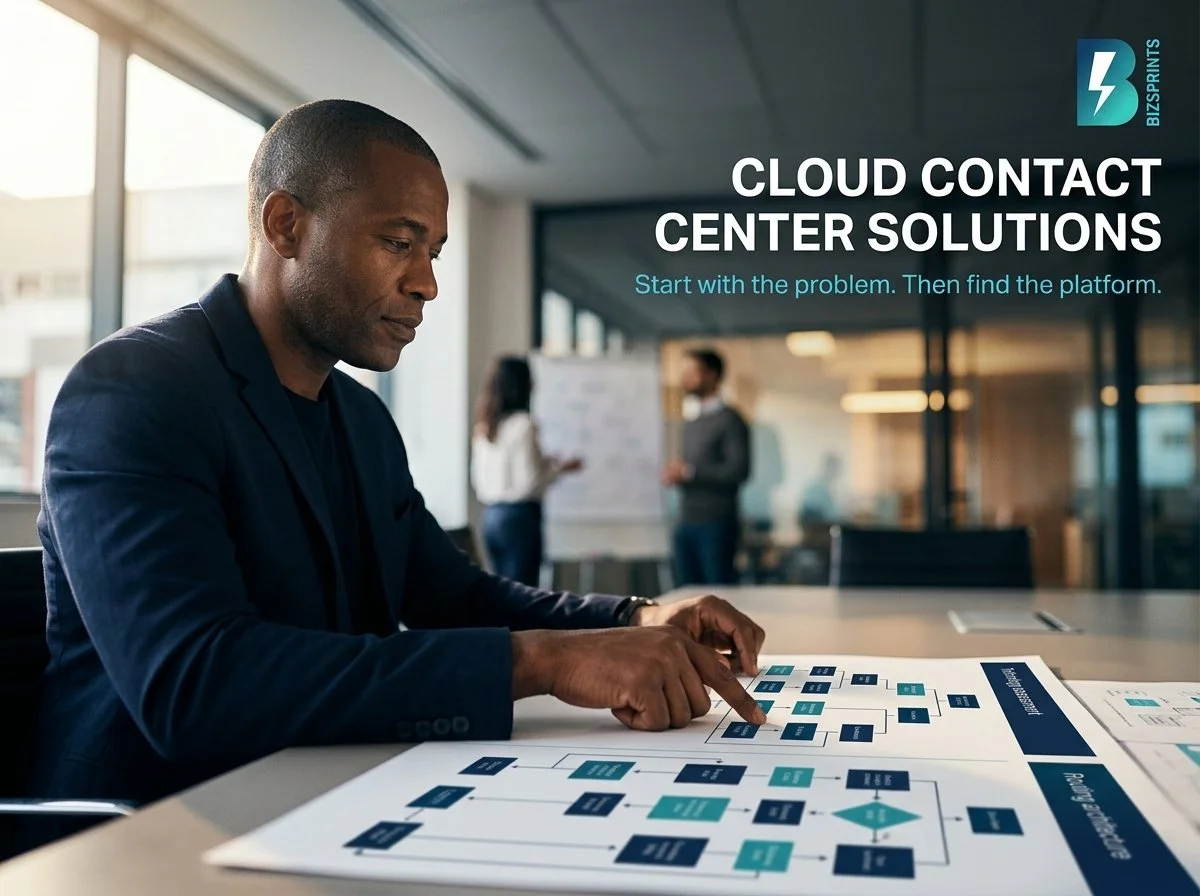
Every contact center strives to be efficient, but during budget season, the noise from vendors can become overwhelming. Understanding your core issues first can transform how you approach cloud solutions.
Budget Season and Vendor Noise
Budget season often brings a flood of offers from various vendors. The competition is fierce, with everyone promising that their platform is the answer. This noise can lead to confusion and hasty decisions. Instead of jumping straight into demos, take a moment to step back and ask, "What specific problems are we trying to solve?" This shift in perspective helps you focus on the real issues rather than getting lost in flashy presentations. By starting with your problems, you ensure the solution you choose fits your needs, not just the vendor's sales pitch.
Identifying Operational Issues
Before diving into solutions, clearly outline your operational challenges. Is your team struggling with call routing, or perhaps the integration of multiple channels is causing chaos? These are common pain points that cloud contact center solutions aim to resolve. Knowing your issues allows you to focus your search. This clarity helps in selecting a platform that addresses these specific challenges, ensuring a better fit and a higher chance of success.
Narrowing Cloud Options
Once you've identified your problems, the next step is to filter through the available cloud options. Not every platform will suit your specific needs. Create a list of criteria based on your identified issues. This list will guide you as you evaluate different solutions, helping you to make informed decisions. By narrowing down your options, you reduce the risk of choosing a platform that doesn't align with your goals. This strategic approach ensures you invest in a solution that truly enhances your operations.
Evaluating Cloud Contact Solutions

With a clear understanding of your problems, evaluating cloud solutions becomes more focused. This section guides you through a problem-first assessment approach, ensuring your chosen solution aligns with your priorities.
Problem-First Assessment Approach
Begin your evaluation with a problem-first mindset. Look beyond the features and assess how each solution addresses your specific challenges. This approach ensures you see beyond the marketing hype and focus on real-world applicability. Engage with vendors to understand how their platforms resolve your key issues, asking for specific examples or case studies. This direct engagement provides a clearer picture of how the solution will perform in your environment. Emphasizing problem-solving over features ensures you choose a solution that meets your needs.
Defining Key Capabilities
Defining the capabilities you need is crucial. For example, if improving workforce engagement is a priority, look for features like advanced analytics or AI-driven insights. These capabilities can transform how your team operates, leading to better outcomes. Similarly, if integration with CRM systems is vital, ensure the solution offers seamless connectivity. By outlining these key capabilities, you create a targeted evaluation process that eliminates unsuitable options early on. This clarity allows for a more streamlined decision-making process.
Creating a Practical Shortlist
With defined capabilities in mind, create a shortlist of potential solutions. This list should include platforms that meet your criteria and offer the features you need. By focusing only on suitable options, you simplify the next stages of evaluation. Engaging in detailed discussions with shortlisted vendors will further clarify how each solution aligns with your operational goals. This targeted approach not only saves time but also increases the likelihood of selecting a solution that delivers tangible benefits.
Achieving Contact Center Success
Aligning solutions with your needs is vital for achieving success. This section focuses on matching solutions to your requirements, ensuring security and compliance, and building a robust migration roadmap.
Matching Solutions to Needs
Once you've shortlisted potential solutions, it's time to match them to your specific needs. Consider factors like scalability and future growth. A solution that adapts to your evolving requirements ensures long-term success. Engage with vendors to explore how their platform supports your goals. This alignment guarantees that the chosen solution not only meets current needs but also supports future developments. Matching solutions to your needs ensures a more harmonious integration into your operations.
Ensuring Security and Compliance
Security and compliance should be top priorities when selecting a contact center solution. Assess how each platform handles data protection and regulatory compliance. This assessment ensures your customer data remains secure and your operations comply with industry standards. Engage vendors in discussions on their security protocols and compliance measures. This engagement provides peace of mind, knowing that the solution you choose prioritizes these critical aspects, safeguarding your operations from potential risks.
Building a Migration Roadmap
A successful migration requires a well-defined roadmap. Plan how you'll transition from your current system to the new solution. This plan should include timelines, resource allocation, and potential challenges. A structured roadmap ensures a smooth transition with minimal disruption to your operations. Engage with your internal team and the vendor to align on migration strategies. This collaboration ensures everyone is on the same page, reducing risks and enhancing the success of the migration.
Frequently Asked Questions
What is a cloud contact center solution?
A cloud contact center solution is a platform that allows businesses to manage customer interactions over the cloud. It offers flexibility, scalability, and a range of features like call routing and CRM integration, making it ideal for modern contact centers.
How do I choose the right contact center platform?
Start by identifying your operational challenges. Focus on solutions that specifically address these issues. Evaluate platforms based on key capabilities like integration, scalability, and security to ensure they align with your needs.
Why is security important in contact center solutions?
Security is crucial because contact centers handle sensitive customer information. Ensuring robust security measures and compliance with regulations protects customer data and maintains trust.
What should a migration roadmap include?
A migration roadmap should outline timelines, resource allocations, and potential challenges. It should be a detailed plan that guides the transition process, ensuring minimal disruption and alignment with business goals.
Why is a problem-first approach beneficial?
A problem-first approach ensures you focus on solutions that address your specific needs. This approach aligns your technology decisions with operational challenges, leading to better outcomes and more efficient operations.
